

How Vintage Fashion Shaped Modern Style?
Mar 13, 2024
Fashion changes all the time, right? New trends pop up and then disappear just as quickly. But there's something special about vintage fashion – it's timeless. You'll still see its influence everywhere, from fancy fashion shows to everyday streetwear.
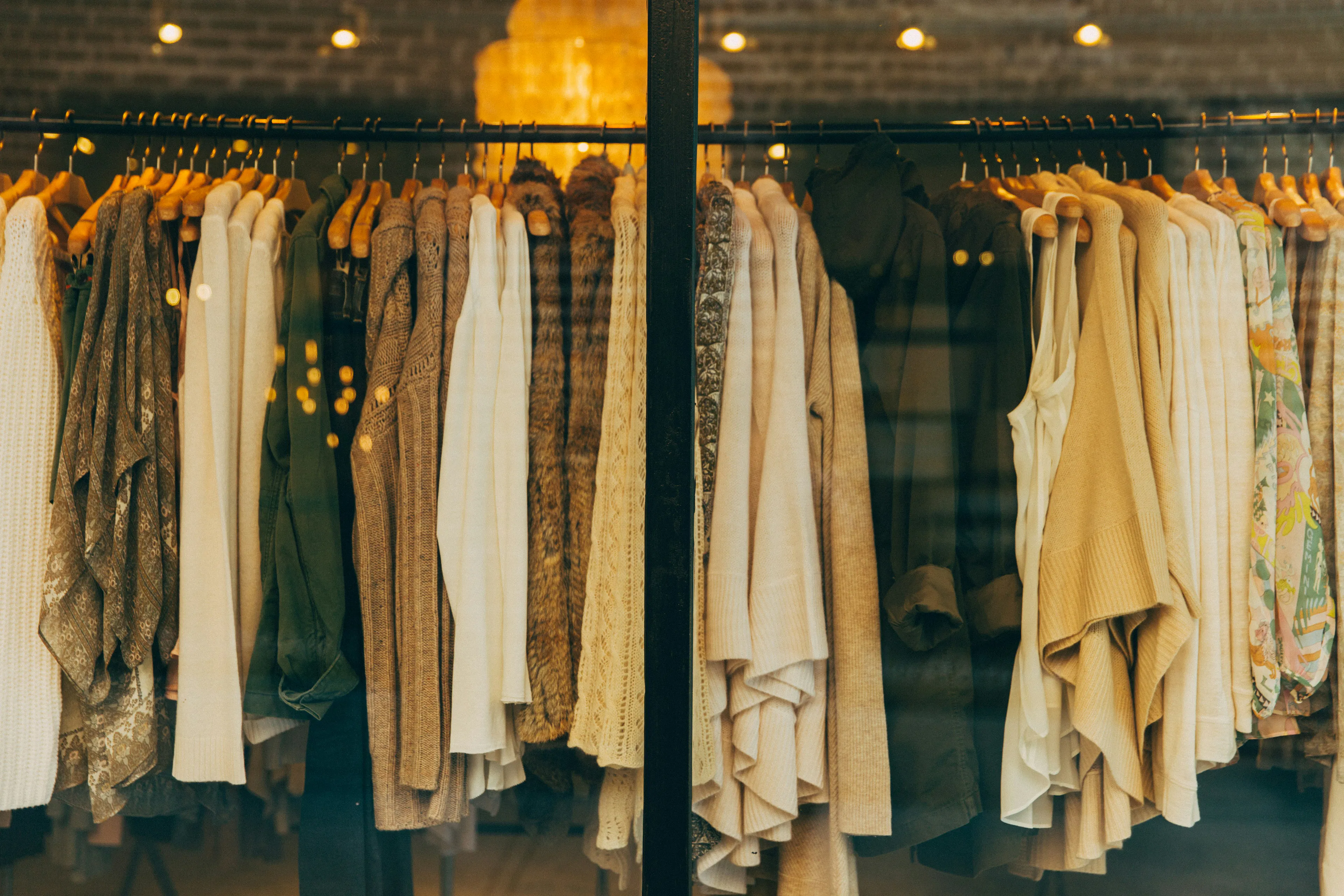
Foto de Hannah Morgan en Unsplash
Vintage Fashion
The Rise of Vintage Fashion
It all started way back in the early 1900s, when people began to care more about how they dressed. Each decade had its own unique fashion trends and looks. Let´s do a journey through the decades and see more about those fascinated outfits that represent each moment of western culture.
1920s - The Exciting Decade
The 1920s were all about liberation and change. During those things major events were happening. It was a period of economic growth after WWI that led to increase consumer spending, also women's contributions to the war effort were acknowledged and appreciated by governments and society at large. Their sacrifices and efforts during the war led to increased recognition of their value and importance within society, that at the end allowed them to gain the right to vote.
All those changes resulted into significant shifts in social attitudes and norms, and this was reflected in the fashion of the time.
Women's fashion saw a shift towards more relaxed and boyish silhouettes, with drop-waist dresses and straight-cut skirts becoming popular. The iconic flapper dress emerged, characterized by its loose fit, short hemline, and embellishments like fringe and beads.

Woman using a straight-cut skirt in th 20s
1930s - The Golden Age of Hollywood
The 1930s saw the rise of Hollywood glamour, with movie stars like Greta Garbo and Clark Gable setting the fashion trends.
These movie stars, started to become early influencers, akin to contemporary social media influencers that we see every day. Hollywood celebrities projected an image of wealth, glamour, and sophistication, which many people aspired to emulate.
Movies offered audiences a chance to immerse themselves in fantasy worlds filled with romance, adventure, and glamour, providing a temporary respite from the harsh realities of the Great Depression that affected the entire world by the end of 1920s.

Hollywood Stars in the 1930s
The luxurious lifestyles portrayed by movie stars in films and media created a desire for similar levels of success and status among the general public, this helped many designers and brands to innovate in fashion becoming more elegant and sophisticated without losing the importance of creating affordable clothing options.

Woman using a fedora hat in 1930s
1940s - The World War II Era:
During WWII, it was all about practicality, leading fashion into suits and dresses that emphasized functionality.
During this time women and men had the purpose of winning the war, and all efforts moved into that objective. Everything was moving to fast and every moment was important, all can change in a matter of minutes.
The way soldiers dressed had a big impact on how regular people dressed. Military uniforms, which were well-organized and practical, inspired the clothes civilians wore. Utility clothing, known as "victory suits," became popular for both men and women, same as “trench coats” which started to mark a pattern in the fashion of the time.

Woman and man using trench coats in the 1940s
1950s and 1960s: The Fabulous Fifties- The Swinging Sixties
We are facing here a big rebellion against the social constraints imposed by previous generations. Young people looked to break free from the conservative traditions embracing new fashions, lifestyles, and ideologies.
This is the rock and roll era! Leaving behind the ideologies and ideas of war, this generation wanted to break the frame of global conflict and find themselves their individuality. Given this, new icons raised and influenced this new lifestyle.
Elvis Preasley, Jean Dean, Marlon Brandon, Marilyn Monroe, Audrey Hepburn among others, inspired women and men to embrace self-expression and individuality through their clothing choices.

Young man using leather jacket
1970s and 1980s – Disco and Excess
When the Vietnam War ended, people felt like they wanted things to be peaceful and calm, unlike the chaos of the past decade.
The hippie movement of the 1960s continued to influence fashion in the 1970s, giving rise to the bohemian chic style. Flowy maxi dresses, fringe details, and peasant blouses became popular, reflecting a laid-back and free-spirited attitude. The 1970s was all about disco, glamour, and self-expression, and this was reflected in the fashion of the era.
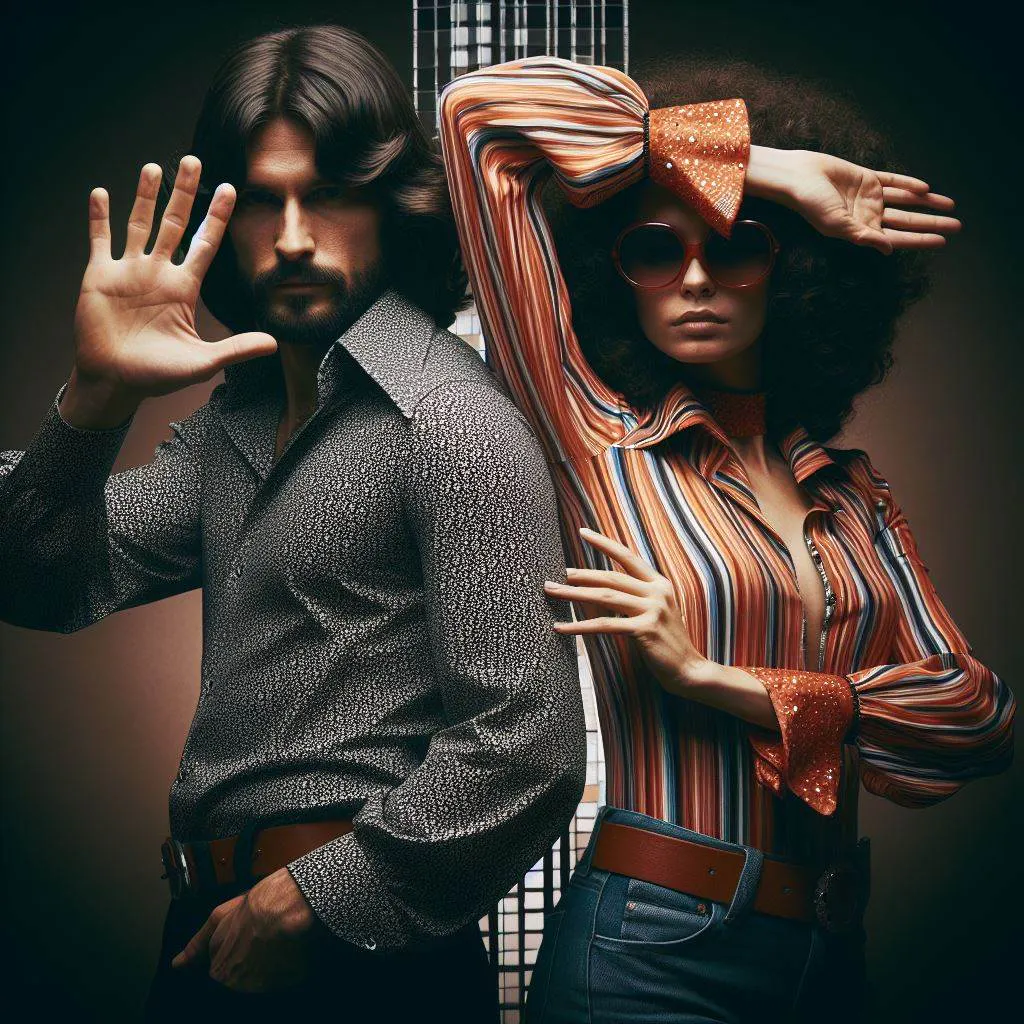
Disco fashion trend of 70s
By the 1980s, there was a shift towards conservatism and economic prosperity, fueled by policies. This created an atmosphere of confidence and ambition, which was reflected in the bold and assertive styles of power dressing. This had a biggest impact in women.
With more women entering the workforce and pursuing careers in traditionally male-dominated fields, there was a need for clothing that conveyed authority and professionalism. Power dressing emerged as a way for women to assert themselves in the workplace and command respect in a predominantly male environment.

Professional woman suit in the 1980s
1990s - The Grunge Generetion
Tired of the last decades, young people didn’t want to focus their energy in wars, money nor great desires of ambition. The 1990s was a decade of rebellion and anti-fashion, with the rise of grunge music influencing fashion trends.
One of the biggest trends was the minimalist. Minimalism served as a reaction against consumerism and materialism, which were prevalent in mainstream culture during the 1980s. The minimalist lifestyle prioritized simplicity, functionality, and mindfulness over the accumulation of possessions and conspicuous consumption

Oversized fashion in 1990s
Vintage trend in modernity
Vintage fashion really affects what's trendy now, from fancy designer clothes to everyday street styles. Fashion shows often have clothes that look like they're from the past, and famous people wear old-fashioned stuff in their regular outfits too. Each era, from 1920s flapper dresses to 1990s grunge, leaves an indelible mark on contemporary style.
Vintage fashion enables individuals to express their unique personalities by blending vintage pieces with modern garments, creating distinctive looks amidst the sea of fast fashion. Whether it's a vintage handbag, a retro-inspired dress, or a statement accessory, incorporating vintage elements adds depth and character to any ensemble.
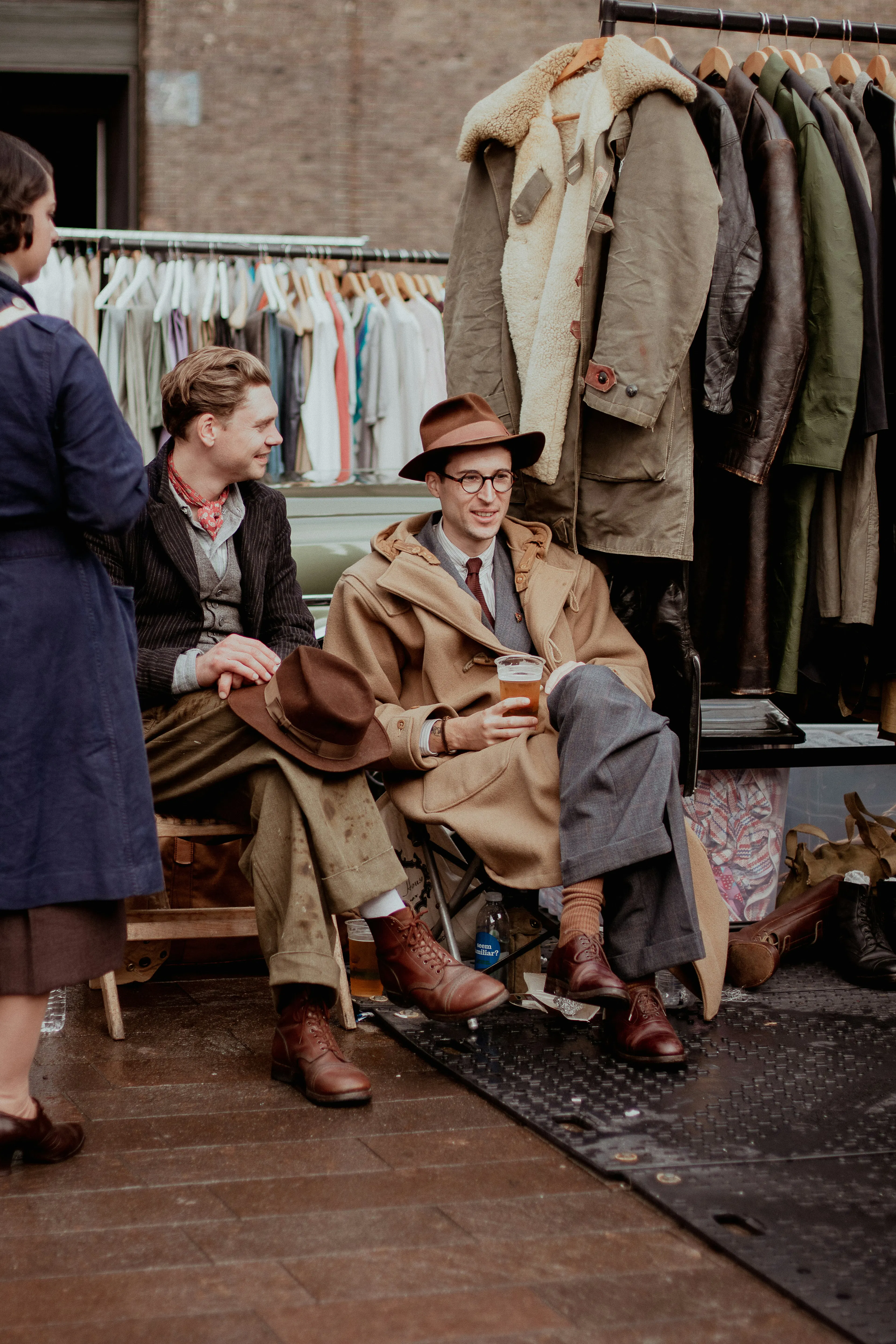
Foto de Ellie Cooper en Unsplash
This timeless aesthetic continues to shape modern style profoundly, emphasizing timeless elegance and influencing contemporary trends. In a world where trends come and go, vintage fashion remains a steadfast symbol of style, reminding us that true elegance is timeless and that the past always has a place in the present.